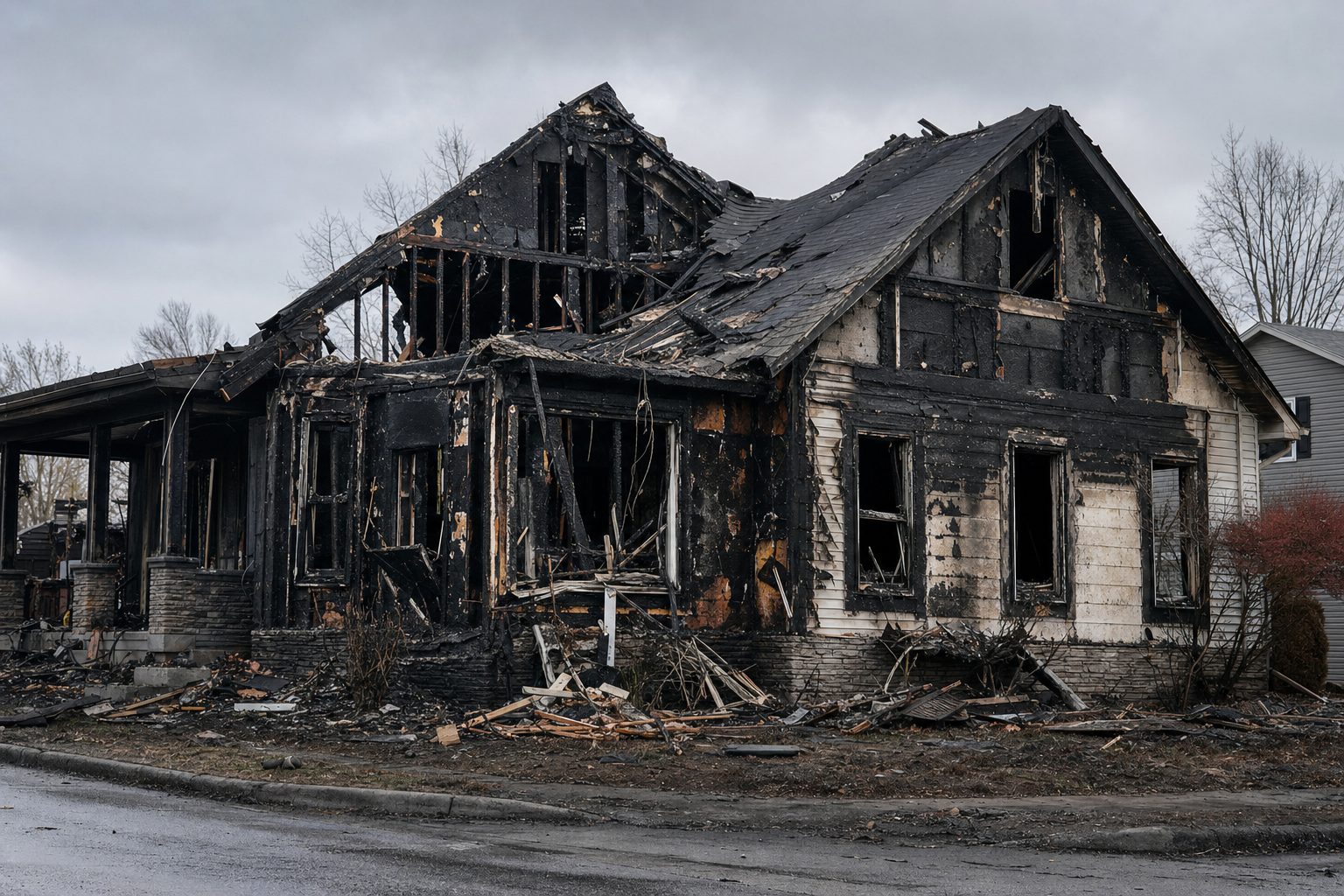
Thanksgiving Day produces more residential kitchen fires than any other single day of the year. East Texas kitchens running deep fryers, stovetops, and ovens simultaneously face a higher risk environment than any other cooking day. Knowing the specific hazards and what to do when they occur can protect your family and your home.
Why Is Thanksgiving the Highest Fire Risk Day of the Year?
More simultaneous cooking activity happens on Thanksgiving than on any other day. Multiple burners, a hot oven, often a turkey deep fryer, and divided attention across many dishes at once create a combination that produces fires consistently, year over year, across the country. East Texas kitchens are no exception.
What Are the Biggest Thanksgiving Fire Risks in East Texas Homes?
Turkey Deep Fryers
A turkey deep fryer holds several gallons of oil heated to approximately 350 degrees. When a wet or partially frozen turkey is lowered into that oil, any water on the turkey surface converts to steam instantly. The steam causes the oil to overflow violently, contact the burner flame, and ignite in seconds.
Deep fryer safety requires:
- A fully thawed turkey, patted completely dry before lowering into the oil
- Operation outdoors only, away from all structures, overhangs, and covered porches
- A fire extinguisher rated for grease fires within arm's reach before you begin
- Never leaving the fryer unattended
Stovetop Fires from Divided Attention
Busy Thanksgiving kitchens mean several dishes cooking at once. A burner left on high while attention shifts to another task is one of the most common causes of stovetop fires on this day. Unattended stovetop cooking is the leading cause of residential cooking fires nationally.
Oven Fires from Accumulated Grease
Turkey drippings in a oven with accumulated grease buildup from past cooking can ignite. Cleaning the oven before Thanksgiving is simple prevention.
What Should You Do if a Kitchen Fire Starts?
- Stovetop grease or pan fire: Smother with a lid. Never use water on a grease fire. Water causes a violent reaction with hot oil.
- Small, contained fire: Use a dry chemical fire extinguisher (Class K for grease) if the fire is small and you are positioned between the fire and an exit.
- Any fire beyond the pan or appliance: Get everyone out immediately. Call 911. Do not go back in.
Why Does Even a Small Kitchen Fire Require Professional Attention?
Protein soot from burning food and grease is nearly invisible on light surfaces but is acidic and corrosive from the moment it deposits. It requires enzyme-based cleaning agents, not standard cleaners. Standard cleaners spread and worsen protein soot contamination.
Even a fire contained to a single pan can deposit protein soot on cabinetry, ceiling surfaces, and in HVAC returns. The odor and corrosion continue after the fire is out.
An East Texas Scenario: A Thanksgiving Deep Fryer Fire in Kaufman County
A family gathering in a rural Kaufman County home was using a deep fryer on the covered back porch rather than in the open yard. A moisture pocket in the turkey caused an oil overflow. The fire extinguisher put the fire out within 30 seconds, but the covered porch ceiling, exterior siding, and the area above the fryer sustained significant heat and soot damage.
Cantt Restoration assessed the structure the following morning. Protein soot had reached the attic soffit vent and entered the attic space. The HVAC return near the back of the house had pulled soot into the duct system. What looked like a contained porch event required whole-home soot and odor treatment.
Sometimes the damage is minimal and you might not need us. We will tell you that too.
Call Cantt Restoration 24/7: (903) 251-9525
Do what you safely can to limit further damage while you wait. If you do not feel safe, do not go back in. Call us first and we will walk you through it.
This content is for general informational purposes only and does not constitute legal, insurance, or professional restoration advice. Cantt Restoration is not a policy expert, attorney, or public adjuster. Every loss situation is unique. For questions about your coverage, contact your insurance company, adjuster, or agent directly. For assessment of your specific situation, consult a qualified restoration professional. Cantt Restoration follows ANSI/IICRC S500, S520, and S740 standards on every job.
Frequently Asked Questions
Why is Thanksgiving the highest residential fire risk day of the year?
Thanksgiving involves more simultaneous cooking activity than any other day, including multiple stovetop burners, oven use, and often turkey deep fryers operated by people who use them once a year. Divided attention across multiple dishes and the complexity of coordinating a large meal create conditions for unattended cooking events, which are the most common kitchen fire cause.
How do you safely use a turkey deep fryer in East Texas?
Use the fryer outdoors only, in an open area away from all structures and overhangs. Ensure the turkey is fully thawed and patted completely dry before lowering into the oil. Never leave the fryer unattended. Have a Class K fire extinguisher rated for grease fires available before starting. Follow the fryer manufacturer's oil capacity guidelines exactly.
What should I do if a grease fire starts on my Thanksgiving stove?
Smother the fire with a lid if it is contained to a pan, cutting off oxygen to the fire. Never use water on a grease fire. Use a dry chemical extinguisher rated for grease (Class K) if the fire is small and contained, and you are positioned between the fire and an exit. If the fire grows beyond the pan or any area of the stove, get everyone out and call 911.
Why should I have my oven cleaned before Thanksgiving?
Accumulated grease and food residue in an oven can ignite when exposed to the extended high heat of cooking a large turkey. An oven fire from grease buildup produces smoke and soot throughout the kitchen quickly. Cleaning the oven beforehand is simple, inexpensive prevention.
Do I need professional help after a small Thanksgiving kitchen fire even if I put it out myself?
A professional assessment is recommended after any kitchen fire, regardless of size. Protein soot from burning food and grease is acidic, nearly invisible on many surfaces, and begins the corrosion process immediately. It also travels through HVAC returns far beyond the kitchen. Cantt Restoration can determine the actual extent of smoke spread and soot contamination.