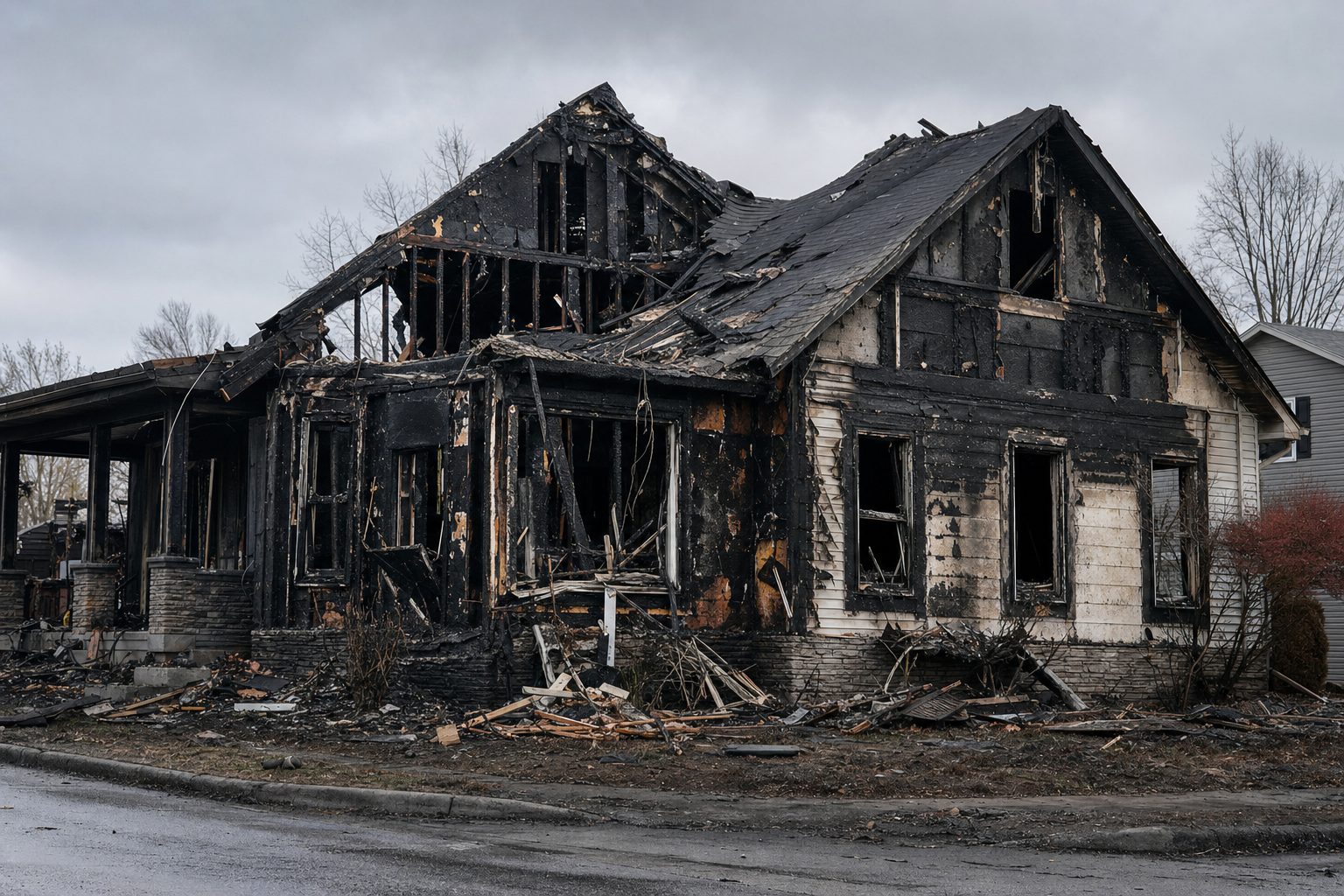
Kitchen fires are the leading cause of residential structure fires nationally, and East Texas is no different. What makes kitchen fire restoration uniquely challenging is not the flame itself but what the fire produces: protein soot, petroleum compounds, and an odor that penetrates cabinetry, walls, and HVAC systems in ways that standard cleaning cannot address.
Why Are Kitchen Fires the Hardest Fire Damage to Clean Up?
The ANSI/IICRC S500 standard and related fire restoration guidance recognize that different combustion sources produce fundamentally different residues. Kitchen fires produce the most chemically complex soot type in residential restoration: protein soot from burning food and organic material, often layered over petroleum compounds from burning cooking oil.
Standard cleaning products spread and worsen protein soot contamination. This is why a kitchen fire that appears to be a localized event can become a whole-home odor and contamination situation when cleaned improperly.
What Is Protein Soot and Why Does It Require Specialized Treatment?
Protein soot results from burning food, grease, and organic material. It is nearly invisible, appearing as a thin amber-colored film on surfaces. It carries a powerful odor that penetrates cabinet interiors, wall finishes, and ceiling materials far beyond the fire origin zone.
Enzyme-based or protein-dissolving cleaners are required. Standard cleaners redistribute protein soot rather than removing it. Applying the wrong chemistry to protein soot contamination makes the condition worse and can permanently damage surfaces.
How Does Grease Fire Soot Compound the Problem?
A grease fire produces both protein soot from the burning food material and petroleum-based compounds from the burning oil. The petroleum layer creates a sticky, impermeable film over surfaces that must be addressed with appropriate degreasers before protein soot cleaning can be effective.
This layering means kitchen fire restoration requires a specific sequence: dry soot removal first, petroleum degreaser second, then enzyme cleaning for protein soot. Reversing or skipping steps in this sequence causes permanent damage.
What Is the Full Restoration Sequence for an East Texas Kitchen Fire?
The sequence Cantt Restoration follows for kitchen fire damage:
- 1. Soot type identification and surface material assessment for every zone
- 2. Dry soot removal with chemical sponges
- 3. Degreaser application for petroleum residue from grease fire component
- 4. Enzyme-based cleaning for protein soot on all affected surfaces
- 5. Rinse and surface evaluation
- 6. Odor treatment using ozone and/or thermal fogging depending on the scope of penetration
- 7. HVAC assessment and duct cleaning evaluation
The sequence matters. Every step matters. Skipping any step causes permanent surface damage or allows odor to remain in materials that appear visually clean.
A Whitehouse Kitchen: What a Neighbor Noticed First
A homeowner in Whitehouse had a stovetop grease fire that was quickly extinguished with a fire extinguisher. The kitchen appeared manageable after the fire was out, and a neighbor suggested cleaning up with standard kitchen cleaner before calling anyone.
After two hours of cleaning attempts, the surfaces looked worse, not better. The protein soot film had been redistributed across a larger area. Cabinetry interiors that had been only lightly affected were now smeared.
Cantt Restoration arrived, assessed the soot type, applied the correct cleaning sequence, and addressed the HVAC contamination. The final outcome was a fully restored kitchen. But the neighbor's well-intentioned suggestion cost additional time and scope.
What Happens to Kitchen Cabinets After a Fire?
Cabinet interiors, particularly those with unfinished wood interiors, absorb protein soot and odor deeply. Exterior surfaces require degreaser and enzyme cleaning in sequence. Cabinets close to the fire origin that sustained direct heat damage may require replacement despite appearing visually intact from the exterior.
Every cabinet is assessed individually. Every project is not the same. Every definition is relative.
Call Cantt Restoration 24/7: (903) 251-9525
Sometimes the damage is minimal and you might not need us. We will tell you that too.
This content is for general informational purposes only and does not constitute legal, insurance, or professional restoration advice. Cantt Restoration is not a policy expert, attorney, or public adjuster. Every loss situation is unique. For questions about your coverage, contact your insurance company, adjuster, or agent directly. For assessment of your specific situation, consult a qualified restoration professional. Cantt Restoration follows ANSI/IICRC S500, S520, and S740 standards on every job.
Frequently Asked Questions
Why is kitchen fire damage harder to clean than other fire damage?
Kitchen fires produce protein soot, a nearly invisible residue requiring enzyme-based cleaners, often layered with petroleum compounds from burning grease. Standard cleaning products cannot address these residues effectively and may worsen contamination by redistributing them. A specific multi-step cleaning sequence is required.
Can kitchen cabinets be saved after a fire?
Many cabinets can be restored through the correct cleaning sequence. Cabinet interiors absorb protein soot and odor deeply, requiring thorough cleaning. Cabinets that sustained direct heat exposure near the fire origin require individual assessment. Some will restore; others may require replacement based on the extent of direct heat damage.
Does a small kitchen fire always require professional attention?
Yes. Even a small fire produces protein soot and odor that penetrates surfaces throughout the kitchen zone and into the HVAC system. The invisible nature of protein soot means contamination is present on surfaces that appear clean. Professional assessment and the correct cleaning sequence prevent permanent damage.
How far does kitchen fire smoke spread in a home?
Smoke from a kitchen fire enters HVAC return air intakes and is distributed throughout every room served by the system. Protein soot deposits on coil surfaces and duct walls. It is common for kitchen fire contamination to reach every room in the home through the HVAC system, even when the visible fire damage appears contained to the kitchen.
What is thermal fogging and when is it used after a kitchen fire?
Thermal fogging uses heat to vaporize a deodorizing agent that penetrates the same surfaces and pore structures that odor-causing compounds have entered. It is used when odor has deeply penetrated materials that cannot be replaced, including structural framing and cabinet interiors. It is one component of a complete odor treatment program, not a standalone solution.