After a fire, the instinct is often to leave things in place while the restoration is figured out. This decision costs contents that could have been saved. Smoke and soot are not static after a fire. Odor molecules continue to penetrate porous materials. Soot continues to corrode metals. Contents left in a damaged structure accumulate damage every day they remain.
Why Does Fire Pack-Out Need to Happen Immediately?
Ongoing Soot Exposure
Even after the fire is extinguished, residual soot particles remain suspended in the air inside the structure. Every hour, more particles settle onto contents that were not initially affected. Fabrics, paper, and soft surfaces accumulate soot during every day of delay. An item that was restorable on day one may require significantly more intensive treatment on day five, and may be a total loss by day ten.
Off-Gassing of Structural Materials
Fire-damaged building materials off-gas chemical compounds as they cool and begin to degrade. Contents left in the structure absorb these compounds in addition to direct fire soot, compounding the restoration challenge. This off-gassing continues for days after the fire event.
Humidity from Fire Suppression Water
Water used in fire suppression creates elevated interior humidity. Contents left in this humid environment, especially wood, textiles, and paper, absorb this humidity and can begin developing mold (what restoration professionals classify as microbial growth) within 24 to 72 hours.
What Fire Pack-Out Accomplishes
Removing contents from the fire structure immediately:
- Stops ongoing soot exposure from suspended particles
- Removes items from the suppression-water humidity environment
- Allows the structure to be cleaned and dried more effectively without working around contents
- Moves items to a controlled environment where restoration can begin immediately
An East Texas Story: A Longview Home and the Piano That Almost Did Not Make It
A Longview family had a bedroom fire that spread smoke throughout a two-story home. A grand piano in the living room was not in the fire zone but was in the smoke migration path. The homeowner initially did not include it in the pack-out request because it appeared unaffected.
On day three, Cantt Restoration noted that the piano had developed soot accumulation on the keys and was showing early surface corrosion on the string pins from acidic soot exposure. We recommended immediate pack-out to our climate-controlled facility. A piano restoration specialist treated the instrument. The piano survived. Three more days in the structure would have produced irreversible corrosion damage to the strings and pin block.
Nothing disappears. But it can be lost to delay. Pack-out stops that clock.
What We Do
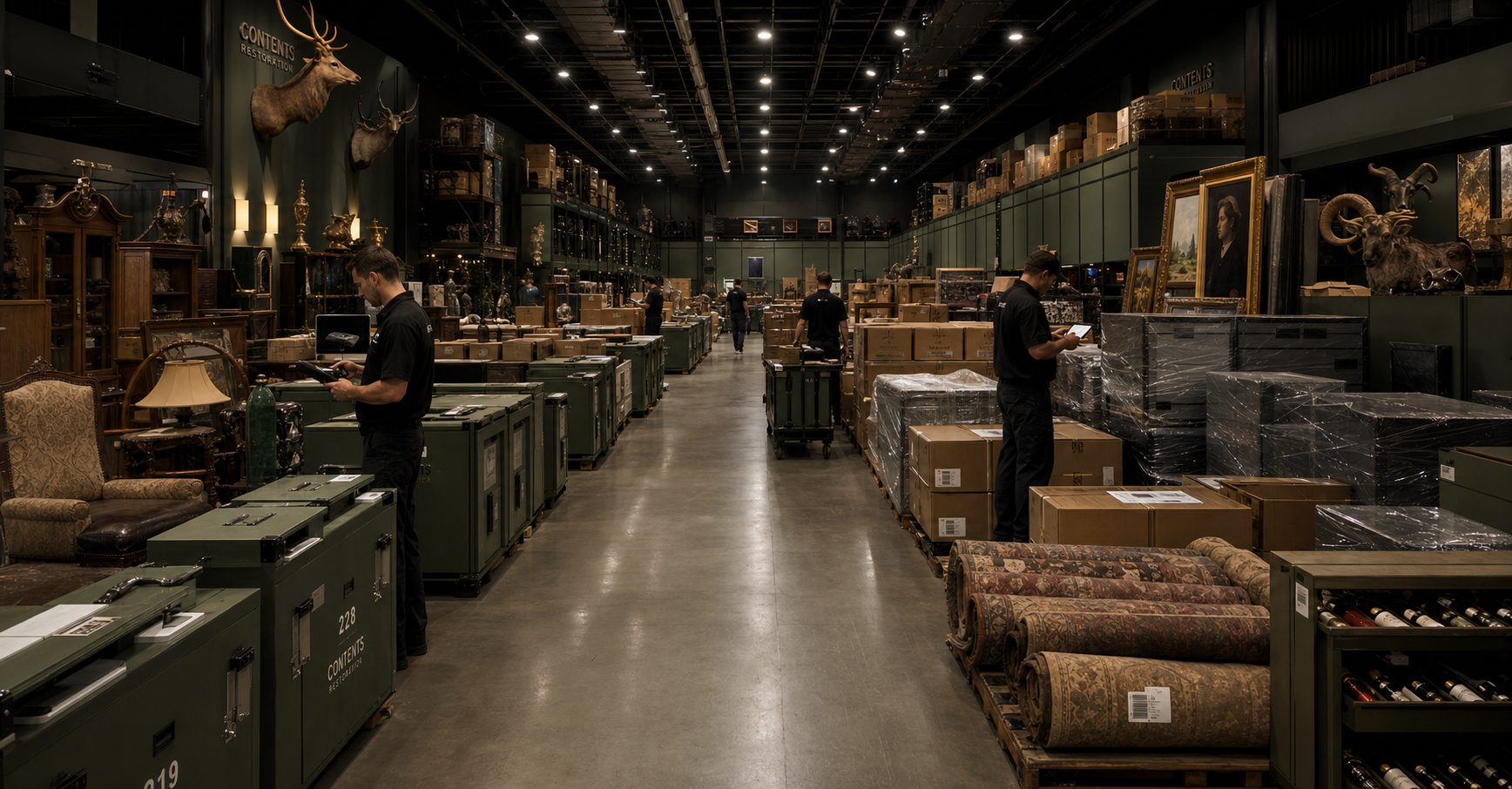
We inventory every item before it leaves. We pack by category and condition. We transport to our climate-controlled facility. We begin restoration immediately. We have saved items from fires that homeowners believed were total losses.
Call Cantt Restoration 24/7
(903) 251-9525Sometimes the damage is minimal and you might not need us. We will tell you that too.
Send Us a Photo for a Free Assessment
Not sure how bad the damage is? Send a photo and we will give you an honest assessment. No sales pitch. No pressure.
Send a Photo- One or two clear photos of the affected area is plenty
- No need to include people, faces, or personal documents
- Photos of walls, floors, ceilings, or contents are most useful
Photos submitted are used solely to assess your situation. They are not shared, sold, or published without your written consent. You may also email photos directly to contact@canttrestoration.com.
Cantt Restoration serves all of East Texas , Smith County, Cherokee County, Wood County, Gregg County, and beyond. Based in Arp, TX. Call (903) 251-9525.
This content is for general informational purposes only and does not constitute legal, insurance, or professional restoration advice. Cantt Restoration is not a policy expert, attorney, or public adjuster. Every loss situation is unique. For questions about your coverage, contact your insurance company, adjuster, or agent directly. For assessment of your specific situation, consult a qualified restoration professional. Cantt Restoration follows ANSI/IICRC S500, S520, and S740 standards on every job.
Frequently Asked Questions
Why should contents be removed after a house fire?
Contents left in a fire-damaged structure continue accumulating soot from suspended particles, absorb chemical off-gassing from damaged materials, and are exposed to elevated humidity from fire suppression water. Pack-out stops this ongoing damage and moves items to a controlled restoration environment.
How quickly should fire pack-out happen?
Fire pack-out should begin as soon as the structure is safe to enter and the damage scope is documented. Every day of delay means additional soot accumulation on contents and the beginning of mold development from suppression water humidity.
Are all contents from a fire total losses?
No. Many contents from fire-damaged homes can be restored through professional cleaning methods including ultrasonic cleaning, ozone treatment, and thermal fogging. Prompt pack-out significantly improves restoration outcomes compared to leaving items in the structure.
What happens to contents during pack-out?
Contents are inventoried in place before being moved, then packed by category and condition, transported to a climate-controlled restoration facility, and restoration begins immediately on arrival. Items remain inventoried and tracked throughout the storage period until return.
Can metals be damaged by fire soot even without direct heat exposure?
Yes. Soot is acidic and begins corroding metal surfaces on contact. Copper, brass, silver, and steel all experience accelerated corrosion from soot exposure. Electronics with metal contacts are particularly vulnerable. Prompt pack-out and professional cleaning prevent corrosion damage that can develop within days.